
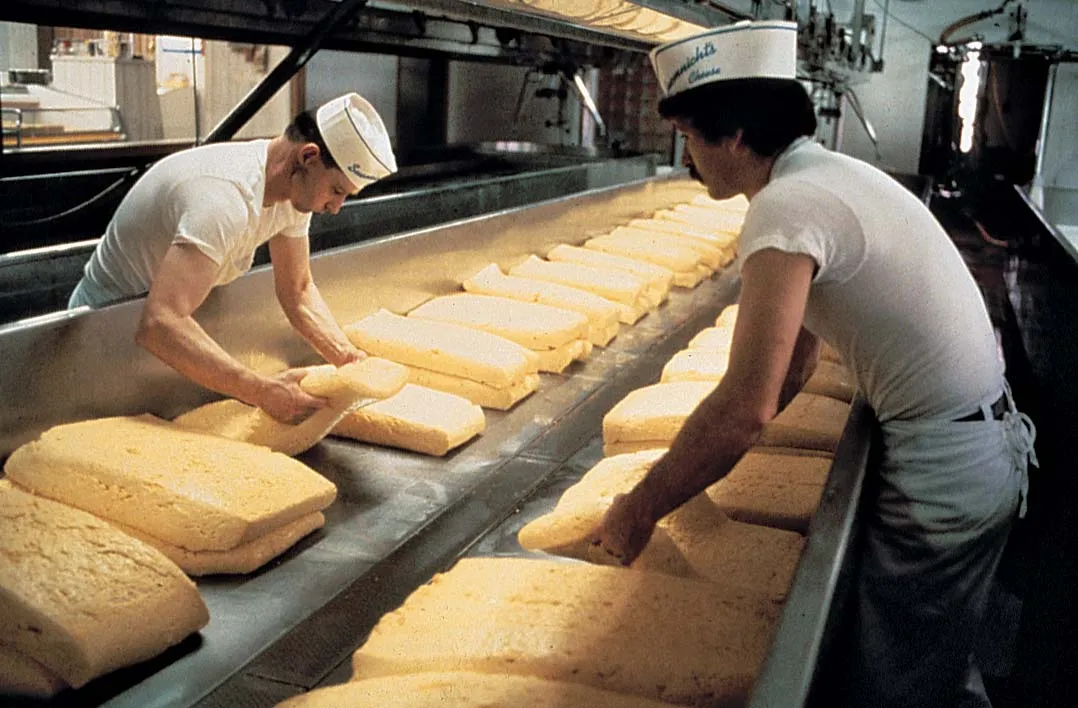
Creating your own cheese at home is an enjoyable journey, and there’s something incredibly rewarding about it. The process isn’t too complicated, and embracing it can lead to some tasty results.
To kick things off, it all starts with a quality milk source, as it significantly impacts the flavor and texture of your cheese curds.
Once you gather your ingredients and get everything set up, you can dive into a simple step-by-step guide to produce your very own homemade cheddar.
Patience will be your best friend, especially during the aging process, as that’s when your cheese develops its rich, complex flavors. So, let’s embark on this cheesy adventure together, exploring the fascinating world of cheese curds, the aging process, diverse milk sources, and the use of rennet on a delightful dairy farm.
Milk Source: Choosing The Best Quality
Choosing the right milk can dramatically influence your cheddar’s flavor profile. Local and fresh milk often stands out as the preferable option.
Farmers who prioritize quality typically yield milk that greatly enhances the overall taste of your cheese.
When using fresh milk, you’re also tapping into a rich source of nutrients, laying a solid foundation for your cheddar’s success.
Next up, think about the type of milk you want to use.
Whole milk delivers a creamier texture, while skim milk won’t offer that same richness. If you’re feeling adventurous, incorporating raw milk can bring about unique flavors during the maturation process, although pasteurization is necessary to guarantee safety. Your choices here have a significant impact on the final product, influencing the pasteurization process, the cheese culture used, the maturation period, and ultimately the flavor profile and texture of the cheese.
Understanding Cheese Cultures For Cheddar
The world of cheese is full of personality, and the special cultures behind it are like the secret ingredients in a favorite recipe. These unique strains of bacteria are what give Cheddar its character from the very beginning.
They affect everything—from the flavor and aroma right down to that delightful creaminess we all crave.
The culture you choose can tip the scale between a mild delight and a sharp, aged classic.
Plus, they play a big part in the texture, giving artisan cheese its distinctive qualities. It’s truly amazing how a few small changes can bring forth such a rich variety of flavors!
Diving into the different cultures used for crafting Cheddar, you’ll come across both mesophilic and thermophilic starters. Mesophilic cultures shine best at moderate temperatures, making them a natural fit for cheese with excellent creaminess and meltability, making them a staple in the artisan cheese segment of the dairy industry and a delightful addition to any cheese board.
The Role Of Rennet In Cheesemaking
Transforming milk into something delicious doesn’t just happen by chance; it takes a special ingredient to make it all come together. What is Rennet? Think of it as a natural enzyme with roots tracing back to ancient cheesemaking.
Originally sourced from the stomachs of ruminant animals, it plays a pivotal role in milk solids coagulation.
Nowadays, you’ll find different options, including animal, vegetable, and microbial rennet, each offering unique characteristics for various cheesemaking styles.
How Rennet Works is a fascinating topic—it kickstarts the whey separation process, pulling together those milk solids to create that perfect texture in cheddar varieties. When you dive into Rennet vs. Other Coagulants are often used in artisanal methods to enhance the flavor and texture of cheese by incorporating milk solids, optimizing whey separation, and supporting the use of various cheese molds for different cheddar varieties.
The Aging Process: How It Affects Flavor
Cheddar showcases this beautifully, transforming into a gourmet cheese delight through its aging journey. During this time, enzymes and bacteria contribute to its flavor development, creating that rich taste we all adore.
As cheddar matures, the breakdown of proteins and fats intensifies the overall experience, leading to a complex profile that tantalizes the palate.
Using aged cheddar in your cheese recipes can elevate your dishes, adding a delightful punch that surprises and pleases.
The environment plays a significant role here, with temperature and humidity acting as key players affecting how flavors evolve. You can truly appreciate the magic of fermentation as you savor every bite of aged cheddar
Crafting Texture: The Importance Of Whey Separation
The right approach to cheesemaking equipment can truly transform your cheese game. The liquid leftover after curdling raw milk is super important when it comes to achieving the perfect texture in your cheese.
A firmer cheese usually means there’s less of that liquid around, while a softer result often indicates more is present.
When you get to grips with how this separation works, you can really up your cheese tasting experience.
Tweaking your methods, particularly the kind of cheesemaking equipment you choose, can make a significant difference in consistency. Finding this balance is key for whipping up delicious cheddar that tantalizes the taste buds.
Temperature is a significant player in whey extraction. When you heat things up, curd formation speeds up, which can affect how much of that liquid is retained in the final cheese product, ultimately influencing the texture and flavor that pairs well with various cheese tasting experiences.
Exploring Cheddar Varieties: Whats The Difference
Cheddar cheese is a delightful adventure for the senses, with a broad spectrum of flavors and textures waiting to be discovered. The milder varieties often present a creamy, buttery essence, making them ideal for anyone who prefers subtler notes in their cheese wheels.
On the flip side, sharp cheddar packs a tangy punch that brings out intense, robust flavors.
Extra sharp cheddar boldly takes things further, delivering a satisfying bite that true cheese lovers can’t resist.
If you’re curious to try something unique, exploring creamy or artisanal options can add an exciting twist to your cheese platter, each with its own fascinating backstory shaped by the aging process.
The aging process plays a significant role in transforming cheddar. Over time, moisture diminishes, leading to a firmer texture and deepening flavors. The beauty of a well-curated cheese platter lies in its ability to showcase a variety of exquisite cheese wheels, paired with savory snacks that elevate the experience, making a visit to the cheese shop truly unforgettable.
| Cheddar Cheese Type | Flavor Profile |
|---|---|
| Mild Cheddar | Creamy, buttery essence |
| Sharp Cheddar | Intense, robust flavors with a tangy punch |
| Extra Sharp Cheddar | Satisfying bite, bold flavors |
| Artisanal Cheddar | Unique flavors shaped by aging process |
Tips For Cheese Pairing And Wine Selection
You’re at a gathering, and the cheese platter is calling your name. Diving into the world of block cheese and its myriad of flavors can open up a whole new experience for your palate.
Each cheese type offers its own unique taste sensations, which can be fascinating to explore.
Choosing the Right Wine: When searching for the perfect wine, smooth reds and crisp whites often complement cheddar beautifully.
Aged cheddar, with its complexity, pairs exceptionally well with a robust Cabernet Sauvignon. cheese enthusiasts often stumble upon delightful pairings that enhance their appreciation for the diverse world of cheese, from creamy block cheese to savory grated cheese, showcasing the fascinating science behind each type.
Essential Cheesemaking Equipment For Beginners

Starting your journey into cheesemaking can be quite the adventure! If you’ve ever dreamed of whipping up some extra sharp cheddar or a creamy smoked cheddar, gathering a few key tools is the first step. A large pot is important for heating your milk evenly, which sets the stage for great flavors.
Make sure to have a thermometer on hand; it’s your best friend for hitting those perfect temperatures.
A cheese mold will shape your creation, while cheesecloth is a must for draining those curds effectively.
Don’t forget a long knife—it makes cutting curds easy and clean, which is essential for a great finish. Quite simply, rennet and cultures are the magic ingredients that kick off fermentation. With these basics, you’ll find yourself well on your way to becoming a true cheese artisan, crafting delights like smoked cheddar, mild cheddar, and extra sharp cheddar that will satisfy any cheese lover.
Essential Tools for Cheesemaking
- A large pot ensures even heating of milk, crucial for flavor development.
- A thermometer helps maintain precise temperatures for successful fermentation.
- A cheese mold shapes the cheese, while cheesecloth aids in effective curd drainage.
- Rennet and cultures are vital ingredients that initiate the fermentation process.
Conclusion
Cheesemaking is more than just a hobby; it’s a delightful adventure that invites you to explore your creative side. Embracing the art of crafting your own cheddar presents a world filled with rich traditions and fun surprises.
As you dive into this process, just remember: the aging stage isn’t merely a waiting game—it’s where the true magic unfolds.
You’ll unearth flavors that reflect your unique craftsmanship.
Feel free to let your creativity run wild and trust your taste buds to lead the way.
So, while you prepare your tools and gather ingredients, consider how your homemade cheddar could fit into a vibrant marketplace of artisanal cheeses. Enjoy every moment of this journey through the vibrant marketplace, where craftsmanship, history, and traditions come alive at the festival!.
Originally posted 2024-11-29 05:46:02.