

Getting your cheese back to a soft and creamy state can be a breeze. With the right techniques and a little patience, you can enjoy your favorite cheese just the way you like it.
Proper softening is important since it keeps the texture and flavor intact.
Some cheeses are more fragile, so it’s wise to pick the right method for each type.
A gentle refrigeration option is perfect when you have time, letting the cheese thawing at its own pace. If you’re looking for something quicker, a cold water bath does the trick while taking care not to disrupt the cheese’s delicate nature.
When it comes to the proper thawing and softening of cheese, effective refrigeration and careful cheese storage are essential to maintain its quality and flavor.
Understanding Cheese Varieties And Thawing
Have you ever stopped to think about the delightful world of cheese? Each type brings its own personality to the table, transforming every meal into something special. Take Cheddar, for example; its firm texture can offer a range from mild to sharp depending on its aging.
Then there’s Brie, which wraps you in a soft, creamy embrace, and Mozzarella, celebrated for its delightful stretchiness.
With different fat contents, these dairy products also affect how they behave during thawing, which can change their flavor and texture.
To truly savor each bite, letting your cheese sit at room temperature before serving can work wonders.
When discussing thawing, you’ll find that different cheeses have their own quirks. Hard varieties like Parmesan handle freezing quite well, while softer types such as Ricotta are best stored at room temperature and require careful culinary techniques to ensure food safety.
Essential Culinary Techniques For Defrosting
Thawing your favorite cheese can truly elevate your culinary experience, ensuring every bite is bursting with flavor. When it comes to cheese, gentle cooking methods work wonders.
If you plan ahead, you can sidestep the less-than-ideal textures and flavors that often come from quick options like the microwave.
Using the fridge is a go-to technique.
Just place your cheese in there and allow it to gradually return to a pleasant state.
This method usually takes several hours, but trust me, patience is key. It’s best to slice it once it’s fully ready, allowing the flavors to blossom and the texture to shine. Don’t shy away from experimenting with different utensils, cooking methods, and flavor enhancement techniques to elevate your microwave slicing experience.
Thawing Cheese
- Thawing cheese in the fridge helps maintain its texture and flavor.
- Gentle cooking methods prevent undesirable changes in cheese consistency.
- Allowing cheese to thaw gradually enhances its taste profile.
- Experimenting with different utensils can improve the cheese slicing experience.
How Does Temperature Control Impact Cheese
Getting the temperature just right can transform your cheese experience into something truly delightful. For instance, with cheddar, the melting point significantly influences its creaminess and flavor.
Serving it at the right warmth not only enhances your tasting adventure but also makes all the difference—cold cheddar can feel a bit crumbly, whereas warmed cheddar oozes melty goodness, making it perfect for cheese boards or a mouth-watering cheese sauce.
When it comes to defrosting cheese, taking your time pays off.
Gradual changes in temperature help maintain its quality and ensure you don’t end up with a less-than-appealing texture. Quick thawing can ruin that luscious creaminess, making it tough to enjoy with your favorite cheese boards, pairing, cheese sauce, or grated cheese.
Exploring Moisture Retention In Thawing
Have you ever thought about how to keep your favorite cheese in top shape when you’re thawing it out? When cheese is frozen, ice crystals form, which can really mess with its texture. This is particularly important for cheddar, where maintaining that creamy goodness is a big deal.
To ensure the best outcome, using slow thawing methods is a smart move.
Simply pop your cheese into an airtight container and let it chill in the fridge.
This gradual defrosting allows moisture retention, keeping the flavors intact and elevating your cheese experience. When you take a bite of perfectly thawed cheddar, you’ll appreciate how great it can taste. Let’s keep those creamy textures alive and flowing as we delve into effective texture improvement techniques, such as slow thawing and defrosting methods that utilize an airtight container to enhance moisture retention.
Thawing Cheese
- Slow thawing helps prevent the formation of large ice crystals that can ruin cheese texture.
- Using an airtight container during thawing retains moisture and preserves flavor.
- Gradual defrosting in the fridge allows cheese to maintain its creamy consistency.
- Proper thawing techniques enhance the overall taste experience of cheese, especially varieties like cheddar.
Effective Cheese Storage For Freshness
Keeping cheese in top shape is more than just popping it into the fridge; it’s all about crafting the perfect environment for your favorite flavors. Each type of cheese has its own personality, and that personality shines as it ages.
For example, cheddar embraces a little air, while brie feels right at home with a touch of moisture.
If you want to ensure your cheddar stays delightful, wrap it in parchment paper or cheese paper.
This method enhances dairy preservation by letting it breathe while safeguarding against moisture loss. A special container can also create an ideal atmosphere for your cheese.
Keep an eye out for signs of spoilage, such as a strong odor or uninvited mold that isn’t typical for your cheese type. When you’ve opened a wedge, make sure to seal it properly to maintain the quality of your dairy for optimal food preparation, such as cheese fondue, while keeping temperature control in mind.
Quick Thaw: Microwaving Cheese Safely
If you’ve got a block of frozen cheddar that’s standing between you and your next gourmet cooking adventure, don’t worry; there’s a quick way to get it ready for that cheese platter you’ve been dreaming of. The key is to ensure you keep all that delectable flavor while bringing it back to life.
First things first, make sure you’re familiar with your cheese; firm varieties like cheddar respond better to a quick zap than their softer counterparts.
Using low power settings helps maintain the perfect texture without sacrificing taste.
A minute on low often does the trick.
For the best results, microwave your cheese in short bursts of 10-15 seconds.
Keeping an eye on it is important to prevent overheating. Covering it while microwaving can enhance the cheesemaking experience by preserving moisture, making it perfect for gourmet cooking and serving suggestions, such as a delightful cheese platter.
Facts About Defrosting Frozen Cheddar
- Firm cheeses like cheddar are more resilient to microwave defrosting than softer cheeses.
- Using low power settings in the microwave helps maintain the texture and flavor of the cheese.
- Microwaving cheese in short bursts of 10-15 seconds prevents overheating and preserves its quality.
- Covering cheese while microwaving helps retain moisture, enhancing its taste for gourmet dishes.
Enhancing Flavor Profiles Through Proper Defrosting
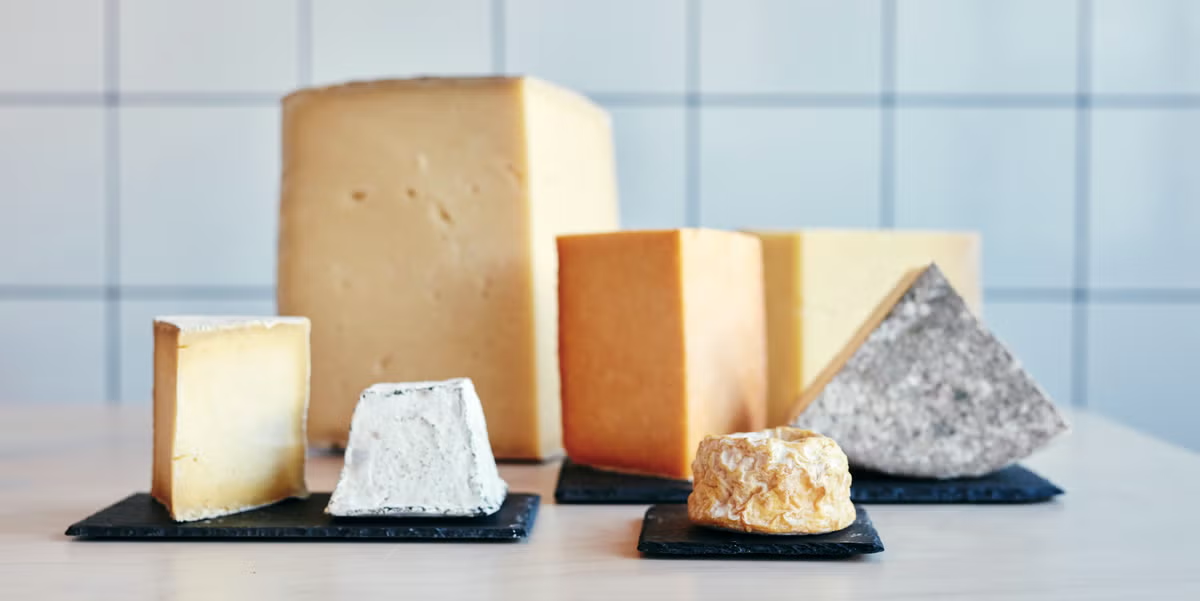
Have you ever noticed how the way we handle our favorite cheeses can really influence their taste?. A quick thaw at room temperature might feel like a good idea, but it can lead to a soggy texture and muted flavors.
Instead, consider a slow defrost in the fridge.
This method allows those complex notes of flavor to develop as the cheese reaches its ideal melting point without losing its character.
Patience here truly elevates your tasting experience!
We all have our cheese preferences, whether it’s the sharpness of aged cheddar or the buttery notes of a young variety. And let’s face it, most cheese lovers have a story about how thawing has altered their favorite snack. So, understanding the melting point, dairy science, flavor profile, cheese selection, and ingredient substitution is essential for creating the perfect dish.
Tips For Creating A Cheese Platter.
A beautiful board filled with delicious bites that bring a smile to everyone’s face! Choosing the right cheeses is the first step in crafting your masterpiece.
For a flavor adventure, combine sharp cheddar, creamy brie, and tangy blue cheese.
Mixing soft and hard varieties creates a satisfying contrast that will have your guests buzzing with excitement!
Accompaniments are just as important! Fresh fruits like grapes or apple slices add a touch of sweetness, while nuts bring a delightful crunch.
And let’s not forget about the magic of sweet jam or honey to balance those bold flavors. When you’re planning your meal prep, consider how these pairings can elevate your platter.
Presentation is where the fun really begins. Stack your cheeses or use little bowls for spreads to make meal prep easier and enhance your kitchen hacks for quick thawing and defrosting.
| Cheese Varieties | Accompaniments | Presentation Tips |
|---|---|---|
| Sharp Cheddar | Fresh Fruits (Grapes, Apple Slices) | Stack cheeses or use bowls for spreads |
| Creamy Brie | Nuts | Enhance meal prep with kitchen hacks |
| Tangy Blue Cheese | Sweet Jam or Honey | Make meal prep easier |
Conclusion
Keeping cheese fresh is an art that can elevate your culinary experience. Proper food handling ensures every bite of cheddar maintains its creamy texture, allowing you to savor its rich flavor.
Wrap your cheese securely in parchment or wax paper, followed by a layer of plastic wrap to minimize moisture loss and keep it tasting delightful.
When it comes to cheese recipes, especially those featuring fresh cheese, the right storage techniques are key.
If you need to thaw cheese, do so gradually in the fridge to lock in its quality. Enjoying your cheese dishes is not just about taste, but also about how you care for them. And let’s not forget, presentation can truly enhance your enjoyment! Keeping these tips handy will certainly lead to a delicious cheese experience, especially when you explore diverse cheese recipes and pair them thoughtfully for delightful creamy textures in your favorite cheese dishes.
Originally posted 2024-12-05 10:01:42.