
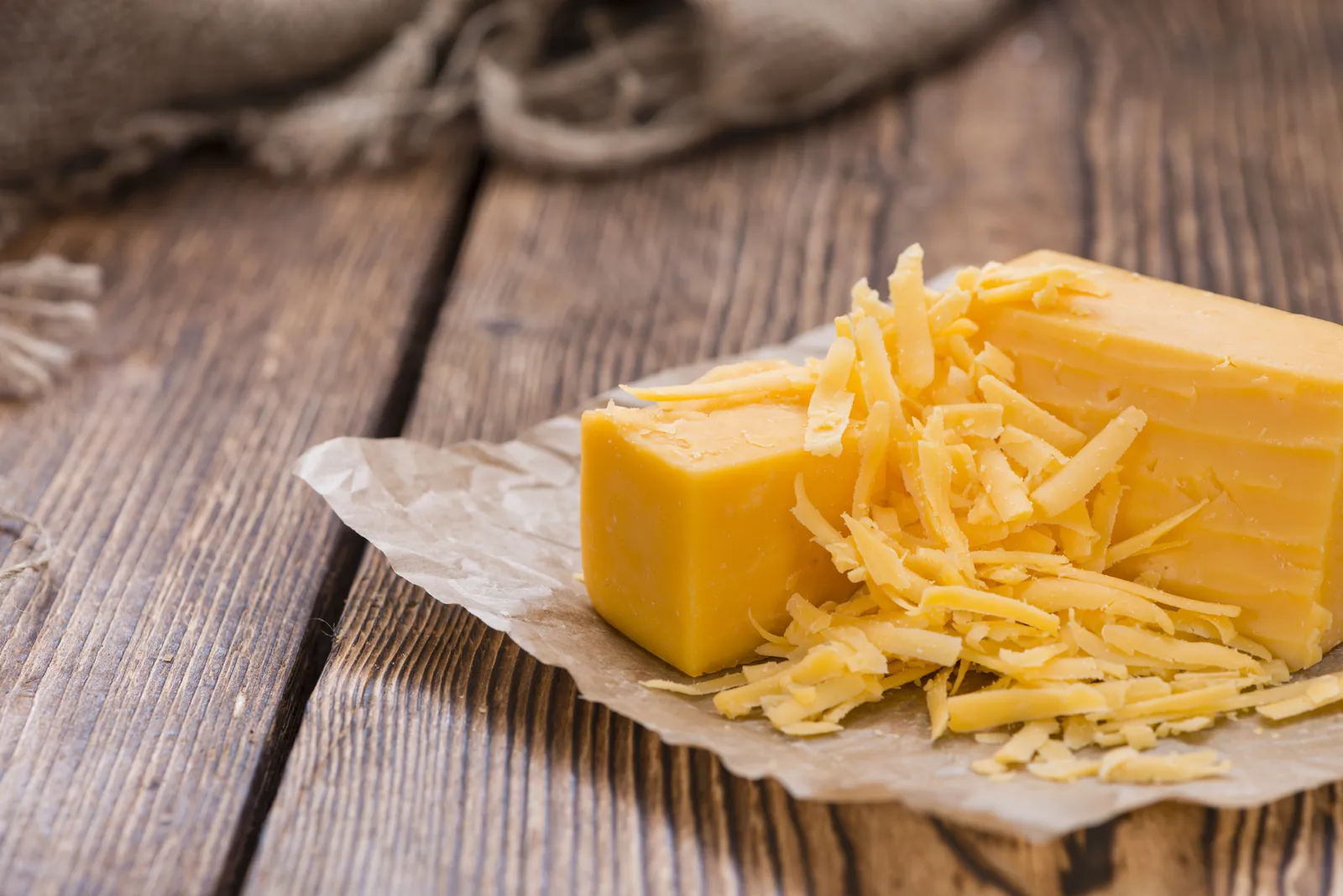
Cheese lovers everywhere can’t seem to get enough of this delightful dairy delight. With roots tracing back to the 12th century in England, this classic has captured the hearts and taste buds of many.
Its broad range of flavors and adaptability make it a cherished choice in kitchens and cheese boards alike.
There’s a whole universe of cheese varieties out there, and each brings something special to the table.
When it comes to flavor profiles, aged options deliver rich, deep tastes, while their younger counterparts tend to be on the milder side.
Exploring these nuances can really elevate your cheese evaluation experience. So, the cheese evaluation will focus on the flavor profile of various dairy tasting methods, highlighting the distinct characteristics of different cheese varieties, especially those crafted by artisanal cheese makers.
Understanding Cheese Varieties And Characteristics
Exploring the vast array of cheese opens up a world of flavors that can tantalize your taste buds. From hard blocks to velvety spreads, each cheese has its own personality.
While many adore the classic allure of Cheddar, there’s a whole universe of gourmet cheese waiting to be savored, like the intriguing tang of blue or the fresh brightness of mozzarella.
Each type contributes its unique texture and taste, enriching your palate experience in wonderful ways.
Creamy, crumbly, or somewhere between, the textures are as varied as their aromas, which often reveal hints about quality. And let’s not underestimate the charm of a well-curated cheese board—it’s a delightful sensory assessment that invites both familiar and adventurous flavors to dance across the palate, offering a gourmet cheese experience that transforms every cheese pairing into an unforgettable moment.
What Are The Key Flavor Profiles
When it comes to savoring different cheeses, there’s a whole world of flavors waiting to be explored. Take cheddar, for example; it’s full of delightful surprises that can really tickle your taste buds.
The tasting notes vary widely, showcasing everything from rich creaminess to a vibrant sharpness that can catch you off guard.
Factors like the milk types used and the production methods play a huge role in shaping these flavors.
Aged cheddar tends to develop a more complex profile, while younger ones often offer a milder, smoother experience. And let’s not forget about those nutty undertones that dance with a tangy finish—each type brings something unique to the table, ensuring an exciting journey for any cheese enthusiast.
Tasting notes highlight the sharpness and creaminess of various milk types, taking into account the aging process that enhances their unique flavors.
- Cheddar cheese exhibits a range of flavors, from rich creaminess to vibrant sharpness.
- The flavor profile of cheddar is influenced by factors such as milk types and production methods.
- Aged cheddar typically has a more complex flavor profile compared to younger varieties.
- Each type of cheddar can present unique characteristics, including nutty undertones and tangy finishes.
The Aging Process Of Cheddar Cheese
Picture a wheel of cheese gradually revealing its secrets over time; it’s a delightful journey. As the process unfolds, a traditional cheese wheel transforms in ways that capture your senses.
Temperature, humidity, and airflow are all part of the magic that affects the cheese characteristics, leading to a unique outcome with every batch.This journey has several stages: fresh, mild, sharp, and extra sharp.
Each phase introduces new textures and moisture levels, like exploring an exciting cheese flight.
For instance, fresh cheddar is smooth and creamy, but as it matures, it becomes firmer and crumbly, inviting you to savor the differences through a casual taste test. With every passing moment, the flavors change, sometimes mellowing, allowing the cheese characteristics to shine through as you savor each bite of the cheese wheel on your cheese platter during the delightful cheese flight taste test.
Techniques For Cheese Evaluation And Tasting
Cheese tasting is truly an art form, and it can be a delightful journey through flavors and textures. Instead of just mindlessly snacking on a wedge, you can actually enhance your experience with some practical techniques.
Texture analysis plays a significant role here; each cheese offers a unique mouthfeel, telling you a story about its aging and processing.
Aroma evaluation also adds depth to your tasting—those enticing smells can reveal a whole treasure chest of hidden flavors waiting to be discovered.With a bit of practice, you’ll find yourself among the true enthusiasts who cherish every nuanced bite and appreciate the rich culture behind each variety.
Before diving into tasting, let’s create the perfect atmosphere. Selecting a quiet ambiance enhances the experience for enthusiasts who appreciate the intricate nuances of texture analysis and aroma evaluation within their culture, as it allows them to fully engage with the insights offered by the expert.
Cheese Tasting
- Texture analysis can reveal details about the cheese’s aging process and production methods.
- Aroma evaluation enhances the tasting experience by uncovering hidden flavors.
- Creating a quiet ambiance allows for deeper engagement with the cheese’s nuances.
- Practicing these techniques can elevate one’s appreciation and understanding of cheese culture.
Exploring Cheese Pairing Suggestions
Cheese pairing opens up a fantastic journey for your taste buds, allowing you to explore delightful combinations that enhance your enjoyment of every bite.
What makes this art form so captivating? It’s all about the balance of flavor notes.Imagine how the creamy texture of cheddar interacts with various tastes.
You might be surprised by how fruits like apples and pears can bring out different nuances in cheddar’s profile, making each bite a delicious surprise.
Classic choices often involve pairing cheddar with robust accompaniments like nuts and crackers, which elevate its savory goodness.
If you’re up for something a bit different, why not dive into innovative pairings?
Dark chocolate or spicy jams can create an unexpected treat that tantalizes your palate. It’s a fun way to discover new flavors that highlight the unique flavor notes and nuances brought out by different production techniques.
Sensory Analysis: Aroma And TextureThere’s something magical about the scents that waft through the air when you’re tasting cheese. Those delightful aromas set the stage for our entire experience, guiding our taste buds even before we take that first bite.
When it comes to cheddar, you’ll find a spectrum of scents to explore, ranging from nutty to sharp, all of which can significantly contribute to your appreciation.
Interestingly, the type of milk plays a pivotal role in shaping these aroma profiles.
For example, creamy notes often emerge from cow’s milk, while a tangy twist may come from goat’s milk.
Now, let’s dive into texture.The craftsmanship behind cheddar is truly fascinating, showcasing everything from crumbly to creamy variations. It’s this unique mouthfeel that can drastically elevate the appreciation of flavors, enhance sensory analysis, showcase craftsmanship, and inspire perfect pairing suggestions for a truly unforgettable experience.
How To Create A Cheese Flight

Exploring the world of cheese can be an exciting journey, and there’s no better way to dive in than curating a delightful selection. Think about how different varieties can work together to create a memorable tasting experience.
Start by gathering a medley of cheeses—maybe some hard, soft, aged, and blue selections to showcase a range of flavors.
Mixing local finds with international treasures can take your culinary adventure to the next level!
As you delve into this flavorful exploration, don’t overlook the importance of sensory analysis.Take a moment to assess the aroma and texture of each cheese.
You’ll be amazed at how much you can discover; delightful notes can emerge that elevate your appreciation of these artisan creations.
Plus, food and wine pairing with the right foods can really amplify those flavors. Imagine a culinary adventure at the festival, where food and wine pairing delights connoisseurs and ignites the passion of every shop owner.
Tips For Enhancing Your Palate Experience
Diving into different textures and flavors can transform your experience.
Know Your Cheeses: Explore varieties like goat cheese and blue cheese.Each type has its own unique character influenced by factors like the fermentation process.
Enjoy the delightful differences between hard and soft cheeses, as they can dramatically change your tasting experience.
Pair Smartly: Think about sweet fruits or savory nuts alongside your cheese. These pairings can enhance and complement the flavors beautifully.
Don’t forget about enjoying a nice glass of wine or craft beer to elevate your palate journey, especially when paired with the rich flavors of artisanal cheeses made from cows milk, sheep’s milk, and the distinct sharpness of blue cheese.
Conclusion
Wrapping up our cheese journey, it is exciting to reflect on how diverse this culinary delight can be. Each texture tells a story, inviting you to explore its unique character.
Embracing different styles opens up a world of flavor surprises, making every tasting an enjoyable discovery.Think back to the memorable combinations you’ve savored and how your knowledge has expanded.Who knows? You might have stumbled upon a pairing that took you by surprise!
So, trust your taste buds, stay curious, and dive into the delicious universe of cheese. Happy tasting, as you explore the diverse textures and styles, savor the rich selection, and deepen your knowledge.
| Aroma Profile | Milk Type | |
|---|---|---|
| Nutty | Cow’s Milk | |
| Sharp | Cow’s Milk | |
| Creamy | Cow’s Milk | |
| Tangy | Goat’s Milk | |
| Cheese Types | Flavor Characteristics | Pairing Suggestions |
| Goat Cheese | Tangy and creamy | Sweet fruits |
| Blue Cheese | Sharp and bold | Savory nuts |
| Hard Cheeses | Nutty and complex | Wine |
| Soft Cheeses | Rich and buttery | Craft beer |
Originally posted 2024-11-29 05:46:08.