
Cheddar cheese is a popular choice for many snack lovers, especially for those managing celiac disease. The fantastic thing is, this tasty option is naturally gluten-free, making it a delightful pick for various diets.
Crafted from just a handful of ingredients like milk, cultures, and enzymes, it stays clear of gluten.
Still, keep an eye out for cross-contamination, particularly when it’s processed alongside gluten-containing items.
It’s always a smart move to check the labels to confirm your cheese selection is safe for your needs. Enjoying dairy products like cheddar can seamlessly fit into a gluten-free lifestyle, so individuals with celiac disease or lactose intolerance can still indulge in delicious flavors while maintaining their dietary needs.
Understanding Celiac Disease And Cheese
If you’re a cheese lover, you might be curious about how certain health conditions can influence your enjoyment of this delicious food. Celiac disease is an autoimmune condition that can affect your cheese choices, particularly when it comes to different cheese varieties like cheddar.
Triggered by gluten, which is a protein found in wheat, barley, and rye, many individuals experience symptoms such as digestive issues, fatigue, and skin rashes.
When it comes to cheese, being aware of gluten sensitivity is essential.
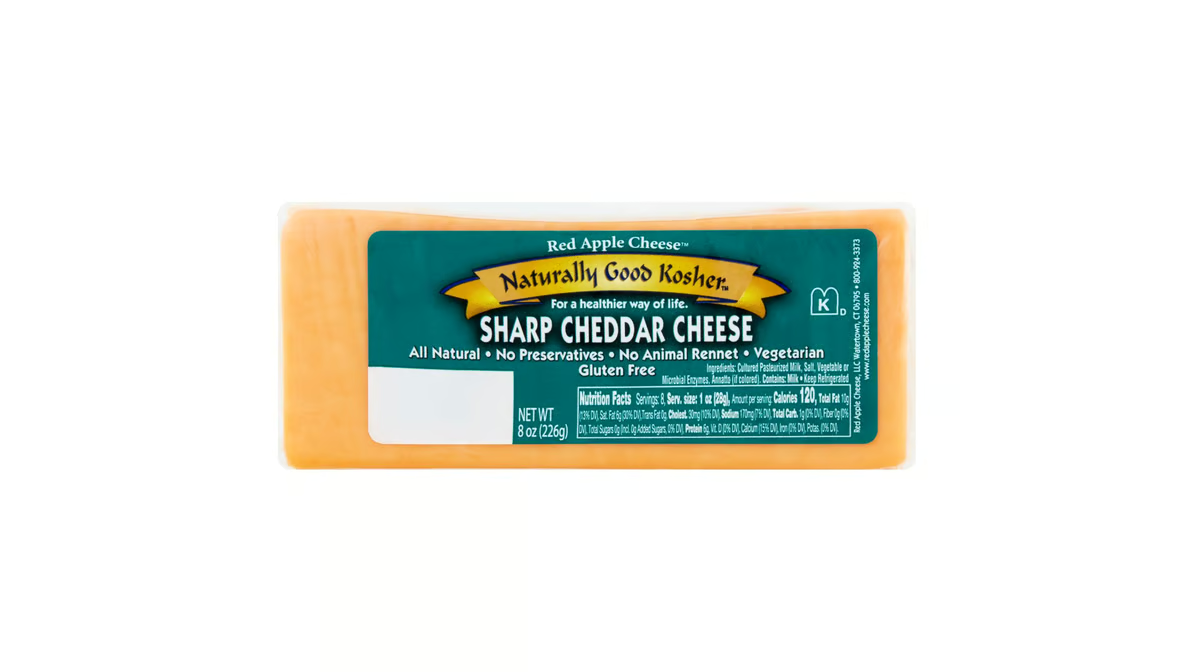
Most natural ingredients in cheese are gluten-free, allowing you to indulge worry-free. Some processed cheeses may contain gluten, so it’s wise to always check labels to ensure safe for celiacs. Having this knowledge helps you savor your favorite cheese without concern, making it easier to enjoy your chosen cheese varieties that are safe for those with food allergies or gluten sensitivity, ensuring a delightful experience for everyone, including celiacs.
Is Cheddar Cheese Truly Gluten-Free?
If you’re a cheese enthusiast, you can enjoy your favorite variety without any worries. Gluten, often found in grains like wheat, barley, and rye, can be problematic for those with celiac disease.
It’s important to stay informed about cheese labeling because while many cheese options are naturally gluten-free, some processed cheese varieties might sneak in gluten through additives.
Traditional cheddar cheese is typically made with just milk, salt, and cultures, which means it’s generally safe.
Be aware of crosscontamination risks if the cheese is made with shared equipment. Opt for brands that openly showcase their commitment to gluten-free practices to guarantee a delicious and safe experience.
Artisan cheese lovers can usually enjoy classic cheddar without the gluten, provided that proper cheese labeling and gluten testing are adhered to in order to prevent cross-contamination with processed cheese.
Cheese and Gluten
- Many cheese options are naturally gluten-free, especially traditional varieties like cheddar.
- Processed cheese may contain gluten due to additives, making it crucial to check labels.
- Cross-contamination can occur if cheese is made using shared equipment with gluten-containing products.
- Choosing brands committed to gluten-free practices helps ensure a safe cheese experience.
The Role Of Cheese Varieties In Diet
There’s something undeniably delightful about exploring the myriad flavors and textures that cheese offers. Different varieties can elevate your dishes and bring a delightful twist to your meals.
Take cheddar, for instance; it’s packed with calcium, making it a fantastic choice for those looking to boost their nutrient intake.
Then there’s mozzarella, with its stretchy goodness, perfect for a comforting pizza night.
Feta, on the other hand, adds a tangy kick to salads, enhancing your culinary experience. If you’re dabbling in specific diets, such as keto or Mediterranean, you’ll be pleased to know that cheese can fit right into those plans, providing both satisfaction and nutrition. There are even lactose-free alternatives crafted through precise fermentation processes, allowing those with dietary restrictions to still enjoy the creamy, dreamy textures of cheese production while adhering to food safety standards.
How To Avoid Crosscontamination In Cheese
To savor the true flavors of your cheese, it is important to keep unwanted tastes at bay. A great way to ensure your cheese stays pure is to familiarize yourself with the ingredients.
Always take a moment to check those labels on your cheddar and other varieties.
You might be surprised by what sneaks in there, so staying aware of your cheese’s contents is a smart move.
- Know Your Ingredients: Being mindful of what’s in your cheese can really help you avoid crosscontamination. Check the labels on your cheddar and other cheese varieties for any surprise additives. It’s a simple step that can make your cheese experience much more enjoyable!
- Keep It Clean: Using separate utensils when serving cheese is a smart trick. This small effort can really elevate your cheese game by incorporating nutrition-focused recipes and celiac-friendly pairings, enhancing both flavor and health benefits.
-
- Many cheeses contain additives that can alter their flavor profile, making it essential to check labels.
- Using separate utensils for different cheeses can prevent cross-contamination and preserve their unique tastes.
- Being aware of cheese ingredients can enhance your culinary experience and help you make healthier choices.
- Nutrition-focused recipes can complement cheese pairings, adding both flavor and health benefits to your meals.
Nutritional Benefits Of Cheddar Cheese
If you think cheddar cheese is just a delicious addition to your meals, think again! This gourmet delight is packed with nutrients that can really support your well-being. For example, it’s a fantastic source of calcium, which is essential for strong bones.
Just one ounce can provide about 30% of your daily calcium needs—pretty impressive, right? But it doesn’t stop there; cheddar also boasts about 7 grams of protein per ounce, making it a great choice for muscle repair and growth.
And for those exploring tasty alternatives to typical snacks, this cheese can be a gourmet staple in your diet. Enjoy every bite, knowing you’re making a nutritious decision with gourmet alternatives that are dairy-free and thoughtfully labeled for preservation!.
Cheese Labeling And Safety For Celiacs
For individuals managing celiac disease, deciphering cheese labels can feel like navigating a maze. It’s simpler than it seems once you know what to keep an eye out for.
Start by seeking out those gluten-free labels; many cheeses boast natural flavors without gluten.
Watch out for additives that might sneak gluten into the mix.
A quick inspection of the ingredient list can unveil hidden sources that could cause issues. Cross-contamination is also a concern that can’t be ignored.
If a cheese is made in a facility where gluten is present, it could lead to troubles. Warnings about possible cross-contact are essential to check.
When diving into cheese classifications, be aware that aged varieties generally pose lower risks compared to their fresh counterparts. Staying informed can truly enhance your understanding of tastings, intolerances, natural flavors, classifications, and nutrient content.
Cheese and Celiac Disease
- Many cheeses are naturally gluten-free, but it’s crucial to look for specific gluten-free labels.
- Additives in cheese can contain gluten; always check the ingredient list for hidden sources.
- Cross-contamination is a significant risk; cheeses made in facilities that handle gluten should be approached with caution.
- Aged cheeses typically have lower risks of gluten contamination compared to fresh cheeses.
Alternatives To Cheddar Cheese For Celiac
If you’re looking for some delicious cheese options that fit into a gluten-free lifestyle, you will find plenty to explore. Monterey Jack stands out with its creamy texture and mild flavor, making it a fantastic choice for melting in scrumptious dips or delightful spreads.
For those who crave a bit more richness, Havarti is a buttery delight that adds a luscious touch to any cheese board.
If dairy isn’t your thing, nutritional yeast comes to the rescue, providing a cheesy punch without any gluten.
Just keep an eye on those labels for allergens, as not all cheeses are equal when it comes to gluten content. Enjoy the journey of trying new flavors, exploring gluten-free snacks, dips, and spreads that cater to your taste while being mindful of allergens!.
Safe Pairings With Gluten-Free Snacks

Snacking can be a delightful discovery, especially when exploring options free from gluten. Traditional favorites like rice cakes or gluten-free crackers can be an excellent starting point.
These treats are quick to grab and super tasty! Pairing cheddar cheese with these snacks brings out rich flavor profiles that will surely enhance your munching experience.
It’s a combination that tends to win over everyone—there’s just something about that creamy goodness! For a refreshing twist, consider adding slices of fruits like apples or strawberries, or toss in some crunchy local nuts for a satisfying texture.
Just keep an eye on the dietary guidelines on packages to steer clear of hidden gluten surprises. With the right mix, you’re sure to create a snack platter that will delight everyone and keep them coming back for more, enhanced by diverse sauces that cater to various dietary guidelines while celebrating traditional and local flavor profiles.
| Snack Options | Flavor Pairings |
|---|---|
| Rice Cakes | Cheddar Cheese |
| Gluten-Free Crackers | Fresh Fruits (Apples, Strawberries) |
| Local Nuts | Diverse Sauces |
Conclusion
Cheddar cheese offers a delightful taste experience while being a great option for those who are mindful of specific dietary choices. Naturally gluten-free, it caters to many individuals looking to avoid gluten in their meals.
It’s wise to check labels occasionally for any hidden additives or unexpected cross-contamination in the industry.
When it comes to consumption, picking organic varieties often means you’re choosing higher quality cheese, which can enhance your overall enjoyment.
Pairing cheddar with gluten-free snacks opens a fantastic range of flavors; the possibilities are nearly endless! Just make sure to pay attention to storage methods, as proper care helps maintain its fresh taste for longer. With a little knowledge, cheese lovers can dive into this creamy world worry-free, armed with facts about organic options, industry standards, proper storage, and mindful consumption.
Originally posted 2024-12-27 08:25:46.