
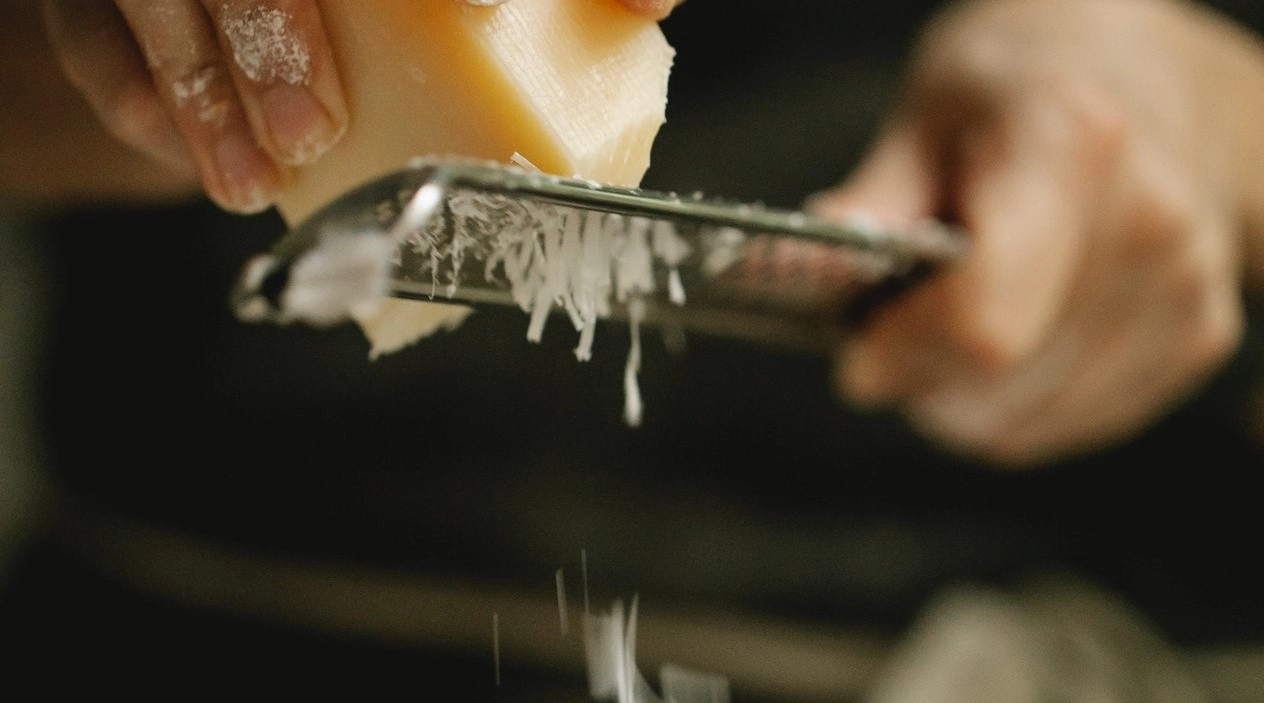
Keeping your kitchen tools in tip-top shape is key to enjoying your culinary adventures. A cheese shredder can easily become a sticky mess if not cared for properly, and nobody wants old cheese lingering around.
To tackle grater upkeep, start by rinsing off any excess cheese residue right after you use it.
Soaking it in warm, soapy water for a few minutes really helps loosen stubborn bits.
After that, grab a brush made for stainless steel and scrub those holes thoroughly. Rinse it well to ensure all soap is gone, and remember to dry it properly to keep rust at bay
Importance Of Grater Upkeep
Taking care of your kitchen tools can make a world of difference, especially when it comes to your cheese grater. Regular maintenance not only keeps it looking great but also ensures it’s ready to help you create that perfect cheesy dish whenever inspiration strikes.
- Longevity of Your Grater: A well-tended grater lasts longer and performs like a champ. It’s like treating your favorite cheese companion to a spa day – it just makes sense!
- Quality of Grated Cheese: Using a clean grater can really enhance the texture and flavor of your cheese. Did you know that leftover residue can sneakily alter the taste of your next cheddar delight? A little dish soap goes a long way here! After scrubbing with a sponge and hot water, a splash of vinegar can help ensure your dishes shine like new.
Effective Cleaning Solutions For Graters
Maintaining a clean grater can actually be a fun part of your cheese adventures! For effortless cleaning, try rinsing it with hot water right after you’ve finished grating. You’ll find that food residues slide off much more easily when the surface is still warm.
If you encounter any stubborn bits clinging on, a thick paste made from baking soda and water can be a game changer.
Just apply it to the tough spots and let it work its magic. Regular sanitizing with baking soda will ensure your grater stays in tip-top shape, ready for all your cheddar-laden dishes, while also making effortless cleaning of food residues a breeze compared to manual cleaning!.
How To Use Hot Water For Cleaning

Using hot water can transform your cleaning routine into a breeze, especially when dealing with those pesky food particles. Ever notice how melted cheese can cling to everything like it’s trying to win a clinginess contest? Hot water works wonders here by breaking it down, making utensil care much simpler.
Plus, whether you’re preparing a feast or just a snack, this technique can help keep your cooking tools spick and span.
Why Hot Water Works Wonders
- Breaks down grease and grime effectively.
- Helps loosen stubborn food particles, like grated cheese, for easier removal. Steps to Clean with Hot Water include ensuring that all items are dishwasher safe, following safety tips for handling hot water, properly cleaning tools used for grated cheese, maintaining hygiene during food prep, and practicing careful utensil care.
Choosing The Right Sponge Or Scrub Brush
Finding the perfect tool for your cleaning routine can really elevate your efforts, especially when dealing with surface grime. A great choice is a non-abrasive sponge; it keeps your nonstick cookware looking pristine while avoiding scratches.
If tough stains are making your kitchen hygiene a challenge, a solid scrubbing pad can be a lifesaver.
Think about how these tools fit in your hand as you navigate those deep cleaning tasks. Choosing the right sponge or brush not only saves time but helps maintain the freshness of your kitchen by effectively tackling surface grime and ensuring optimal kitchen hygiene through deep cleaning without damaging nonstick surfaces!.
Cleaning Tools
- Non-abrasive sponges prevent scratches on nonstick cookware, preserving their quality.
- Using a solid scrubbing pad can effectively remove tough stains, enhancing kitchen hygiene.
- Choosing the right cleaning tools can save time and effort during deep cleaning tasks.
- Maintaining proper kitchen hygiene is crucial for food safety and overall health.
Can You Wash A Grater In The Dishwasher
Taking care of your grater doesn’t have to be a hassle. A lot of folks find themselves curious about whether it’s dishwasher-safe.
The great news is, some models can definitely withstand the heat and bumping around.
Stainless steel and certain plastics tend to hold up nicely.
Just be sure to secure them properly and opt for a gentle cycle to make sure nothing gets damaged during the wash.
If you’re feeling a bit cautious, handwashing can be your best buddy. A little soap and a soft sponge work wonders for grease removal, leaving your grater spotless.
And if you happen to encounter some stubborn bits of cheese left behind, a quick scrub can save the day!
Don’t overlook the importance of daily maintenance to keep your kitchen tools looking sharp. For those looking to simplify grease removal and odor elimination from their food processor, using cleaning wipes for daily maintenance can be highly effective.
Tips For Odor Elimination From Graters
Those stubborn smells from cheese can really linger, especially after using a fine grater to prepare your favorite dish.
Causes of Odor: It’s no surprise that residues from strong cheeses like cheddar or blue cheese tend to cling to a grater, leading to those unwanted scents.
Effective Cleaning Methods: A mix of warm soapy water and a soft sponge can work wonders for stain removal.
Alternatively, natural deodorizers like baking soda and vinegar are fantastic options for eliminating odors.
Swift Post-Use Care: Rinsing right after usage is key for food safety and helps keep those pesky smells away. Regular maintenance tips include using durable materials, knowing effective stain removal techniques, and utilizing both fine and coarse graters to ensure food safety.
Odor Removal
- Strong cheeses like cheddar and blue cheese release oils and residues that can adhere to kitchen tools.
- Warm soapy water is effective in breaking down greasy residues left by cheese.
- Baking soda is a natural deodorizer that can neutralize strong odors effectively.
- Rinsing utensils immediately after use minimizes odor retention and promotes food safety.
Daily Maintenance For Kitchen Tools
Your culinary tools can greatly benefit from a little daily care. Keeping them clean not only enhances their appearance but also helps them serve you well over time.
Just a quick rinse after each use can stop pesky food remnants from lingering around, which prevents unwanted odors or flavor crossovers in your cooking adventures.
Engage Daily with Your Kitchen Essentials
- Consistent cleaning matters for longevity, ensuring your favorite tools remain functional and ready for action. A few moments spent on these household tips can really pay off.
- A simple routine can save you time and hassle later. You won’t have to scrub away dried-on food, which can be a real chore, especially when you rely on household tips and ecofriendly cleaners that make cleanup easy with just a quick rinse, ensuring your kitchen essentials and culinary tools are always ready for the next meal.
Eco-friendly Cleaners For Food Safety

Your kitchen’s cleanliness plays a huge role in creating a safe space for all your culinary adventures, especially if you’re a cheese lover. Using eco-friendly products not only helps the environment but also maintains a higher standard in food management.
These solutions can effectively target stubborn food particles that cling to your tools, ensuring that every cheese experience is top-notch.
If you’ve noticed rust creeping up on your graters, don’t worry! A simple vinegar solution works wonders for rust prevention and is super easy to whip up.
Regularly using eco-friendly cleaners keeps your utensils shining bright and elevates your cooking experience.
When selecting eco-friendly kitchen tools, consider options that prioritize cheese management, rust prevention, and ergonomic grater design to effectively handle food particles and make cleaning a breeze with innovative cleaning hacks.
Kitchen Cleanliness and Eco-Friendly Practices
- Using eco-friendly products can reduce harmful chemicals in your kitchen, promoting a healthier cooking environment.
- Vinegar is a natural rust remover, making it an effective and safe option for maintaining kitchen utensils.
- Ergonomic kitchen tools can reduce strain during use, enhancing the overall cooking experience.
- Regular cleaning with eco-friendly solutions can help prevent the buildup of food particles, ensuring better food safety.
Conclusion
Making sure your kitchen tools are in top shape is a game-changer for any cooking enthusiast. A well-maintained grater not only keeps your cheddar flavorful but also enhances your kitchen efficiency.
Regular washing techniques can significantly improve hygiene practices, especially when you’re working with cheese.
When dealing with those pesky, stubborn cheese residues, consider using eco-friendly cleaners—your grater will thank you for it! And let’s not forget about utensil storage; keeping everything organized means your tools are always ready when you need them. So, why not spice up your cleaning routine? With a clean grater by your side, it’s easier to create delicious dishes, making every bite a delight while also enhancing your kitchen efficiency through effective washing techniques, grease cutting, proper utensil storage, and good hygiene practices.
Originally posted 2024-12-05 10:02:11.