

Many pups go absolutely bonkers for cheese, and who can blame them? The strong aroma of this delightful dairy treat is something dogs simply can’t resist. With their incredible sense of smell, it’s no wonder they get excited just at the whiff of it! The creamy texture also makes cheese a fun snack for munching, turning every bite into a playful experience.
This combination of appealing scent and tantalizing texture creates a snack that dogs love. Plus, cheese is not just a yummy reward; it offers some delightful snacks for dogs, making it a perfect treat that combines the joy of dairy with their love for tasty bites.
Understanding Dogs Cravings For Cheese
Many of us have seen our dogs perk up at the sight of cheese, and there’s a delightful reason behind their enthusiasm. With its rich flavor and strong aroma, cheese often acts as a siren call for our furry companions.
Their natural draw to high-fat foods can be traced back to their ancestors, who thrived on diets rich in fat and protein, making this dairy delight hard to resist.
Not only is cheese a tasty treat, but it also brings some nutrition benefits to the table.
It’s loaded with protein and essential vitamins, making it a somewhat decent occasional reward.
A little caution is wise; too much of this indulgence can lead to digestive hiccups, so keeping an eye on portion sizes is important with a perfect balance of flavor and nutrition, ensuring training is rewarding with wholesome ingredients.
The Role Of Flavor In Dog Treats

Have you noticed how your furry friend seems to have a knack for sniffing out the tastiest snacks? The appeal of flavors can truly transform the experience of sharing treats with your canine buddy. Dogs are wired to enjoy tastes that satisfy their cravings, which can heighten their enthusiasm during training or play.
Each puppy can have unique preferences; while some are all about savory delights, others might lean toward something sweet.
Mixing those flavors opens up a world of excitement, turning every bite into a delightful surprise.
Not just for enjoyment, but the right flavors can also support healthy digestion and contribute to their overall health. Selecting the ideal flavors can create joyful moments with your beloved companion. Speaking of tasty treats, many dogs go wild for cheese, so it’s important to moderate their intake to maintain their health and support proper digestion for their growing puppy appetite.
Dog Treats and Flavors
- Dogs have approximately 1,700 taste buds, allowing them to enjoy a variety of flavors.
- Research shows that dogs prefer high-protein and fatty treats, which can enhance their training motivation.
- Incorporating flavors like cheese can provide a source of calcium, beneficial for a puppy’s growth.
- Moderation of high-fat treats is essential to prevent digestive issues and maintain a healthy weight.
Nutritional Benefits Of Cheese For Dogs
Many dogs simply adore the creamy, rich flavor of this dairy delight. It’s more than just a treat; it’s often a moment of joy that can elevate any training session or mealtime.
The texture and aroma can truly make your furry friend’s tail wag with excitement!
A Tasty Treat: The taste of cheese is undeniably enticing, keeping pups eager for more.
When they savor the way it melts in their mouths, it transforms a simple snack into a memorable bonding moment.
Sharing a little cheese can turn mealtime into a delightful experience for both you and your dog.
Valuable Nutrients: Aside from its deliciousness, cheese brings a wealth of nutrients to the table. Packed with proteins, the dish offers a delightful balance of taste, an enticing aroma, and a satisfying texture, complemented by healthy fats.
Are Soft Cheeses Safe For Canines
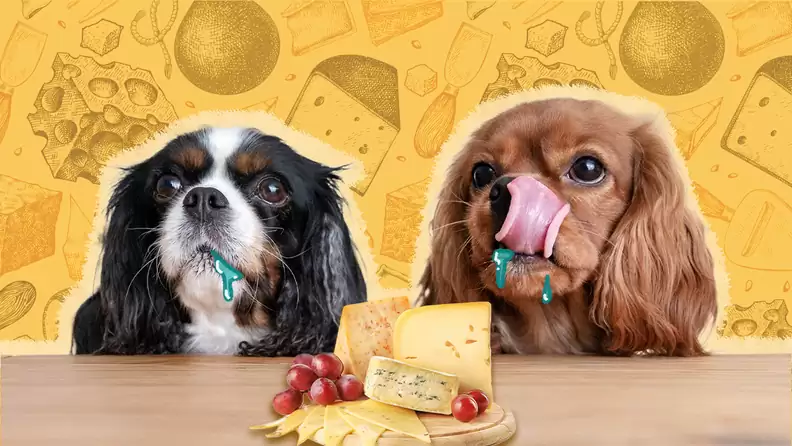
When it comes to giving our dogs a little taste of something special, soft cheeses often come to mind. These creamy delights can be enticing for our furry pals, but it’s important to consider their health before indulging.
Many varieties, such as cream cheese and Brie, contain lactose, which some dogs may not tolerate well.
Even though dogs often enjoy cheese, it’s not always easy on their bellies, leading to possible upset stomachs or digestive troubles.
Moderation is key here.
Some soft cheeses can actually have benefits for dogs, serving as perfect training treats or clever ways to disguise medication. If you do decide to share a bite, sticking to lower-fat options and avoiding harmful additives will be a safer bet. It’s wise to watch for any reactions, especially when consuming dairy products like lactose, cream, cheddar, mozzarella, and parmesan.
Soft Cheeses for Dogs
- Many soft cheeses, like cream cheese and Brie, contain lactose that some dogs may struggle to digest.
- Cheese can be used effectively as a training treat or to hide medications for dogs.
- Moderation is essential to prevent potential digestive issues when feeding dogs cheese.
- Choosing lower-fat cheese options and avoiding harmful additives can make sharing safer for dogs.
Exploring Cheddar Vs. Mozzarella For Dogs

Cheese can be a delightful treat that many pups simply adore.
When it comes to choosing between hard cheese options like cheddar and soft cheese varieties like mozzarella, both have their own charm for our furry friends.
Cheddar cheese shines with its rich flavor, which tends to draw dogs in, making it a top pick for tasty cheese bites.
Due to its higher fat content, it’s best served as an occasional indulgence rather than a regular part of their snack routine. Meanwhile, mozzarella cheese stands out as a lighter alternative, boasting less fat and fewer calories.
This makes it an ideal choice for training treats or special rewards that dogs will happily wag their tails for. Mixing up cheese sticks can introduce a delightful variety of flavors by combining soft cheese, hard cheese, cheese spread, and cheese bites.
How Cheese Affects Dog Behavior
You know that moment when your furry friend catches a whiff of cheese and suddenly seems to have found a new lease on life? It’s pretty amazing how this indulgent treat can spark such excitement! Many dogs have an innate craving for cheese, and it can significantly influence their behavior in delightful ways. During training sessions, a little cheesy motivation can work wonders, enhancing their obedience and eagerness to learn.
Just picture your pup’s playful antics when cheese enters the equation—it’s like flipping a switch of joy!
Integrating cheese into your dog’s routine can create bonding moments that both of you will cherish.
The positive effects on their mood and demeanor are hard to ignore. The indulgent cravings for playful moments foster a unique bonding experience that reflects the importance of obedience.
Cheese and Dogs
- Many dogs have a natural affinity for cheese, making it an effective training reward.
- Cheese can enhance a dog’s obedience and eagerness to learn during training sessions.
- Introducing cheese into playtime can significantly boost a dog’s mood and overall demeanor.
- Sharing cheese as a treat can strengthen the bond between dogs and their owners.
Cheese As A Reward In Training
Discovering the perfect reward can really elevate your training sessions with dogs. There’s something about the rich aroma and creamy texture of cheese that captures their attention, almost like gourmet magic in a bite! I vividly recall a time I used cheese slices to engage my pup; his excitement was absolutely infectious.
Not only does this treat taste amazing, but it also encourages dogs to learn faster, making the process more enjoyable for both of you.
Just be cautious about the choices you make—some varieties are definitely safer for your pet and can seamlessly fit into their diet.
With a little moderation, introducing this delicious option can significantly boost your furry friend’s training success. Transitioning from how cheese influences dog behavior to creating homemade cheese treats for pets is a great next step. It’s a fun way to explore gourmet pet safe foods that cater to their dietary preferences.
Creating Homemade Cheese Treats For Pets
Making tasty treats for your furry friends can be a delightful way to show them some affection. Not only are these snacks enjoyable to whip up, but cheese often ranks high on the list of favorites among pets.
Your companions will be over the moon when you share delicious human food like cheesy delights crafted just for them.
Selecting pet-friendly alternatives is key, as not all cheeses are suitable.
Let’s get started on picking the right cheese and creating some scrumptious snacks!
When it comes to cheese, cheddar shines as a top choice thanks to its rich flavor and satisfying texture. Mozzarella and other alternatives can also enhance your creations, providing variety. Just keep an eye on your pet’s lactose tolerance; some furry pals may enjoy pet-friendly alternatives like frozen treats that cater to their dietary needs without any discomfort.
Conclusion
There’s something about a tasty treat that can transform your dog’s day. Cheese is a delightful addition to your pup’s routine, bringing a burst of flavor that they can’t resist.
It serves as a fantastic tool for positive reinforcement during training, turning those learning moments into something extra special.
Offering cheese not only spices up their experience but also enriches their daily life, making training sessions feel more like playtime.
Just keep in mind, moderation is important. A little too much cheese can lead to upset tummies or unwanted weight gain. So, balance those cheesy rewards and enjoy the joyful behavior that blooms with every mouth-watering bite, enriching your experience through positive reinforcement!.
Originally posted 2024-12-05 10:01:18.