
The hue of cheddar comes from various factors, including the milk used and the cheesemaking techniques. A natural pigment known as annatto plays a significant role in achieving that cheerful shade.
It’s routinely added during production to create the classic look we all adore.
The aging process can influence how vibrant the yellow turns out, lending each batch its own personality. Isn’t it intriguing how these components work together to give cheddar its iconic appearance, with its vibrant yellow pigmentation derived from annatto?.
What Gives Cheddar Its Yellow Color
Cheddar cheese boasts a lovely hue that many people just can’t resist. What gives it that vibrant milk-like color? The answer is all about natural pigments known as carotenoids.
These pigments come from the diverse plants that cows munch on, which ultimately finds its way into the cheese we adore.
When cows graze on grass or other feeds rich in carotenoids, their milk takes on those pigments, influencing both the dairy‘s color and flavor.
The type of milk can also change things up a bit.
Seasonal shifts play a role in the carotenoid levels, making cheeses look different depending on when they’re crafted. Some cheesemakers even opt to add a natural dye called annatto to enhance the visual appeal and complement the flavor and texture of their dairy products.
The Role Of Annatto In Cheese

Have you ever wondered why certain cheeses, like cheddar, have that eye-catching yellow tint? The secret ingredient often comes from a natural coloring agent derived from the seeds of the achiote tree. This vibrant addition is not just about boosting visual appeal; it plays an intriguing role in cheese production, especially for various kinds of cheddar.
Beyond just aesthetics, this food coloring can subtly enhance the flavor profile in different cheese varieties.
So, next time you savor a slice of cheddar, think about the interesting journey that brought that lovely color to your plate!
Shifting gears to the aging process, it’s fascinating to see how time can transform the color of cheddar. The cheese undergoes changes that can affect its shades, often influenced by aging, natural or artificial food coloring, and the varieties used.
| Aspect | Details |
|---|---|
| Coloring Agent | Achiote tree seeds are used to create the yellow tint in cheddar. |
| Flavor Enhancement | Natural food coloring can subtly enhance the flavor profile of cheese varieties. |
| Aging Effects | The aging process can change the color of cheddar, influenced by various factors. |
| Visual Appeal | The vibrant color is not just for aesthetics but plays a role in cheese production. |
How Aging Affects Cheddar Color
Have you ever wondered what gives cheddar its signature hues? The color you see is a fascinating indication of its aging journey. As this cheese matures, it shifts from a mild, pale tone to a deeper, richer shade.
This transformation isn’t merely cosmetic; it often ties in with the flavor profile as well.
Younger varieties tend to have a creamy texture that’s smooth and brings those health benefits to the table.
But as cheddar gets older, you start to experience that delightful sharpness, which many cheese lovers crave.
Interestingly, elements like fat and moisture content play a crucial role in this vibrant change. So, each bite of cheddar isn’t just about taste, but also about the colorful journey it has undertaken! Transitioning from the milk to a rich flavor profile, it offers a delightful sharpness while providing essential nutrition and calcium, contributing to various health benefits.
Understanding Dairy Pigmentation In Cheddar
If you take a moment to appreciate the color of cheddar, you’ll find it reveals a fascinating journey. The hue we see often stems from the natural pigments found in all those lovely grasses that cows graze on, particularly beta-carotene.
It’s not just about aesthetics—this rich color adds a wonderful creaminess to our favorite sandwiches and snacks, hinting at the flavors we love.
So, when you reach for that delicious cheddar, know that its vibrant color is part of a broader culinary story!
Different cheeses can showcase various shades, all thanks to factors like the milk source and the cows’ diets. For example, a diet abundant in carotene leads to a strikingly deeper color, making cheddar a star in its creaminess, perfect for melting in sandwiches or as a delicious snack in various culinary creations.
Cheddar Color and Flavor
- The vibrant color of cheddar is largely due to beta-carotene, a natural pigment found in grass.
- A cow’s diet rich in carotene results in a deeper, more intense color in cheddar cheese.
- The color of cheese can vary based on the milk source and the dietary habits of the cows.
- The rich hue of cheddar not only enhances its visual appeal but also contributes to its creamy texture and flavor in dishes.
Does Cheese Color Impact Flavor
Cheese has this magical ability to spark delightful discussions, doesn’t it? The color you see on a cheese platter often comes from natural pigments, particularly carotenoids found in the milk. While it might intrigue your senses, this pigmentation can also influence how we experience flavor.
For instance, many cheese lovers claim yellow cheddar offers a sharper taste than its white counterpart, but is there more to this tale?
Production techniques and various additives can alter a cheese’s appearance without really changing its flavor profile.
So, just because a cheese is dressed in vibrant hues, don’t assume its taste will be a knockout. Artisan varieties can really surprise your palate, offering gourmet flavors that elevate your cooking and enhance any cheese platter with exquisite recipes.
Exploring Varieties Of Cheddar Cheese
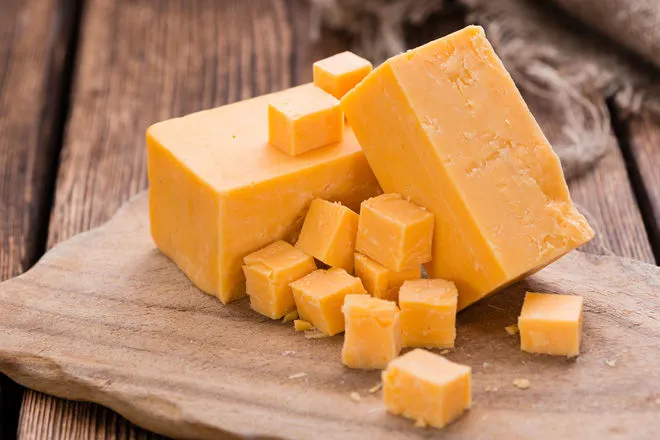
There’s something truly special about discovering the different offerings of a beloved cheese. Each variety provides a unique taste experience, making it an adventure for the senses.
The way a British cheese ages can dramatically influence its aroma and texture, leading to delightful surprises.
For instance, mild cheddar is all about that creamy, smooth flavor, while a sharp cheddar gives you an exciting burst of richness.
If you’re thinking about assembling a cheese board for your next gathering, selecting the right cheddar can truly elevate your spread. Whether you prefer the classic yellow or are feeling brave with smoked options, there’s a cheddar just waiting to please your palate, making it a perfect addition to any British cheese board that delights the senses with its rich taste and inviting aroma, while being a suitable choice for those who are lactose tolerant!.
Nutritional Benefits Of Yellow Cheddar
You might be surprised to learn just how delightful this cheese is, beyond its rich flavor. With a generous amount of calcium, it’s a fantastic choice for those looking to support their bone health.
Plus, it brings along a protein punch that plays a significant role in building and repairing tissues.
And hey, that beautiful yellow hue you see? It comes from natural pigments that are often linked to beneficial nutrients!
Let’s dive deeper into the benefits: this cheese is a superb source of Vitamin B12, giving you a nice boost in energy and aiding brain health.
Phosphorus is another standout mineral found here, vital for proper cell function. And if fat content is on your mind, remember that it varies with different types of cheddar, so keep an eye on those labels!
As the flavor deepens with the ripening and fermentation process, the visual and sensory experiences of the cheese evolve, enhancing its overall appeal.
The Aesthetics Of Cheese In Culinary Use
When you think about delightful dining experiences, the visual appeal of food plays a big role, especially when it comes to cheese! Each type brings its own unique flair to a dish, and the bright yellow of cheddar can really catch your eye. Did you know that the colors on your plate can influence how much you enjoy a meal? Warmer shades tend to make food look more appetizing, enticing cheese lovers to dive right in when they spot a beautifully crafted platter.
Let’s get creative with presentation! Imagine a stunning cheese board where cheddar is artfully arranged alongside vibrant fruits or crisp vegetables.
These pairings not only please the eye but also elevate the whole dining experience.
The way you display your cheese can transform a simple snack into an inviting feast. The different shades that cheese lovers appreciate in fondue and cheese sauce are influenced by the intricate pairings explored in food science.
Cheese Presentation
- The visual appeal of food can significantly enhance the dining experience.
- Warmer colors on a plate, like the bright yellow of cheddar, are perceived as more appetizing.
- Creative pairings, such as cheese with fruits and vegetables, can elevate the overall enjoyment of a meal.
- The presentation of cheese influences the perception of flavors in dishes like fondue and cheese sauce.
Conclusion
When you take a moment to savor cheese, you’re diving into a world where flavor meets rich culture and history. Cheddar, in particular, stands out not only for its taste but also for the quality of the milk that goes into making it.
It’s fascinating how specific cheese-making techniques can truly enhance the final product.
Did you know that some varieties of cheddar are given a vibrant color thanks to annatto? This natural enhancement creates that delightful yellow hue we all recognize.
Understanding these elements can elevate your appreciation for cheddar and its remarkable journey from farm to table. Each bite tells a story that’s just waiting to be uncovered. traditional methods of cheese-making that have been passed down through generations, which not only enhance the quality but also reflect the rich culture and history of the industry.
Originally posted 2024-12-05 10:01:09.